









Conas a oibríonn bioráin clevis i nasc meicniúil?
Is comhpháirteanna meicniúla riachtanacha iad bioráin Clevis atá deartha chun naisc shlána inscortha a chruthú idir páirteanna gluaisteacha. Is bioráin inbhainte é bioráin clevis a úsáidtear go minic le bioráin cotter, bioráin earraigh, nó fáinní coinneála chun comhpháirteanna meicniúla nó naisc rialaithe a nascadh. Tá struchtúr simplí aige, suiteáil éasca, agus ceadaíonn sé rothlú nó gluaiseacht teoranta. Mar gheall ar na saintréithe seo, úsáidtear bioráin clevis go forleathan in innealra talmhaíochta, córais feithicleach, trealamh mara, agus tionóil thionsclaíocha ina bhfuil gá le tairiscint solúbtha agus nasc iontaofa.
I nasc meicniúil, oibríonn bioráin clevis ag dul trí phoill ailínithe i gcomhpháirteanna nasctha, mar shampla forc clevis agus lámh nascála. Feidhmíonn an bioráin mar phointe maighdeog agus é ag cothabháil suíomh na gcodanna ceangailte. Ligeann an dearadh inscortha do theicneoirí comhpháirteanna a chur le chéile go tapa, a iniúchadh, a dheisiú nó a athsholáthar gan dochar a dhéanamh do struchtúir máguaird. De réir riachtanais iarratais, dearaí éagsúla ar nós Pionnaí Clevis Caighdeánach , Pionnaí Clevis Ceann Maol , Cruach Dhosmálta 304 Pionnaí Clevis, agus Cruach Dhosmálta 316 Pionnaí Clevis is féidir leis leibhéil éagsúla neart, friotaíocht creimeadh, agus solúbthacht suiteála a sholáthar.
Bunstruchtúr agus Prionsabal Oibre Clevis Pins a thuiscint
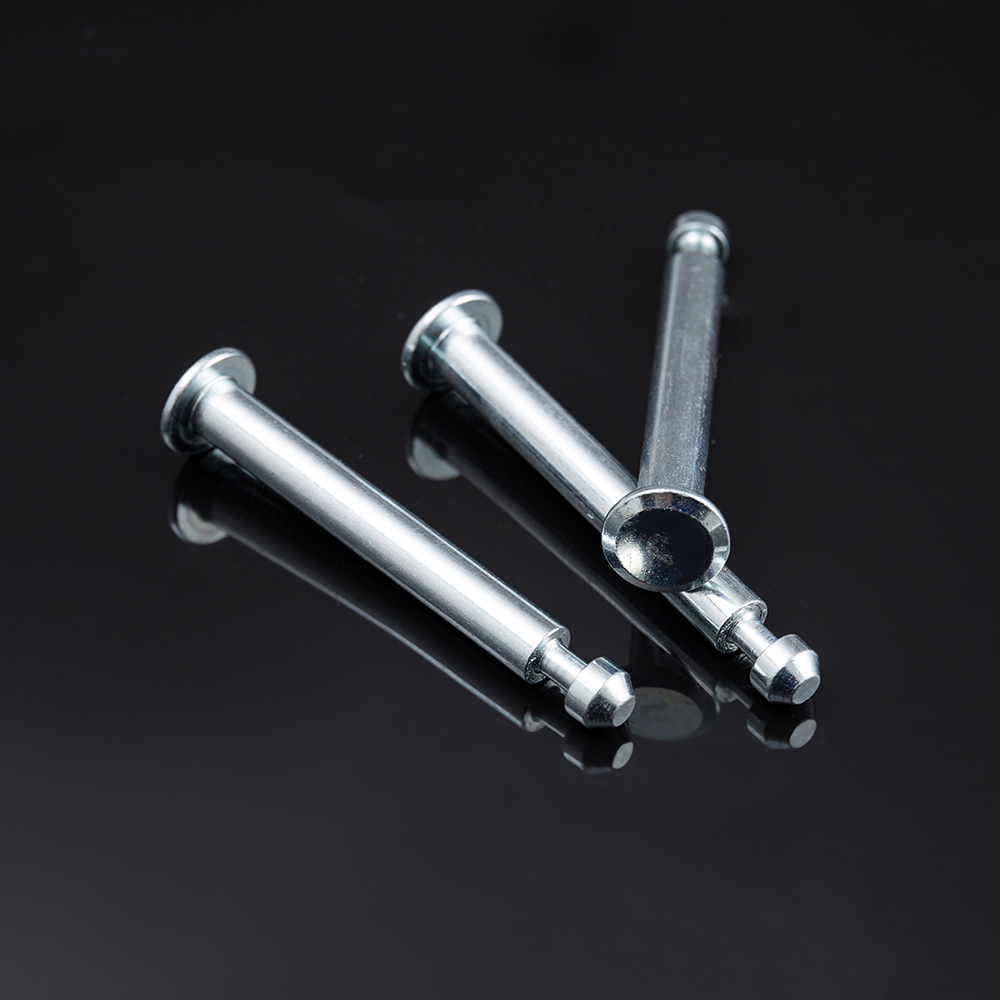
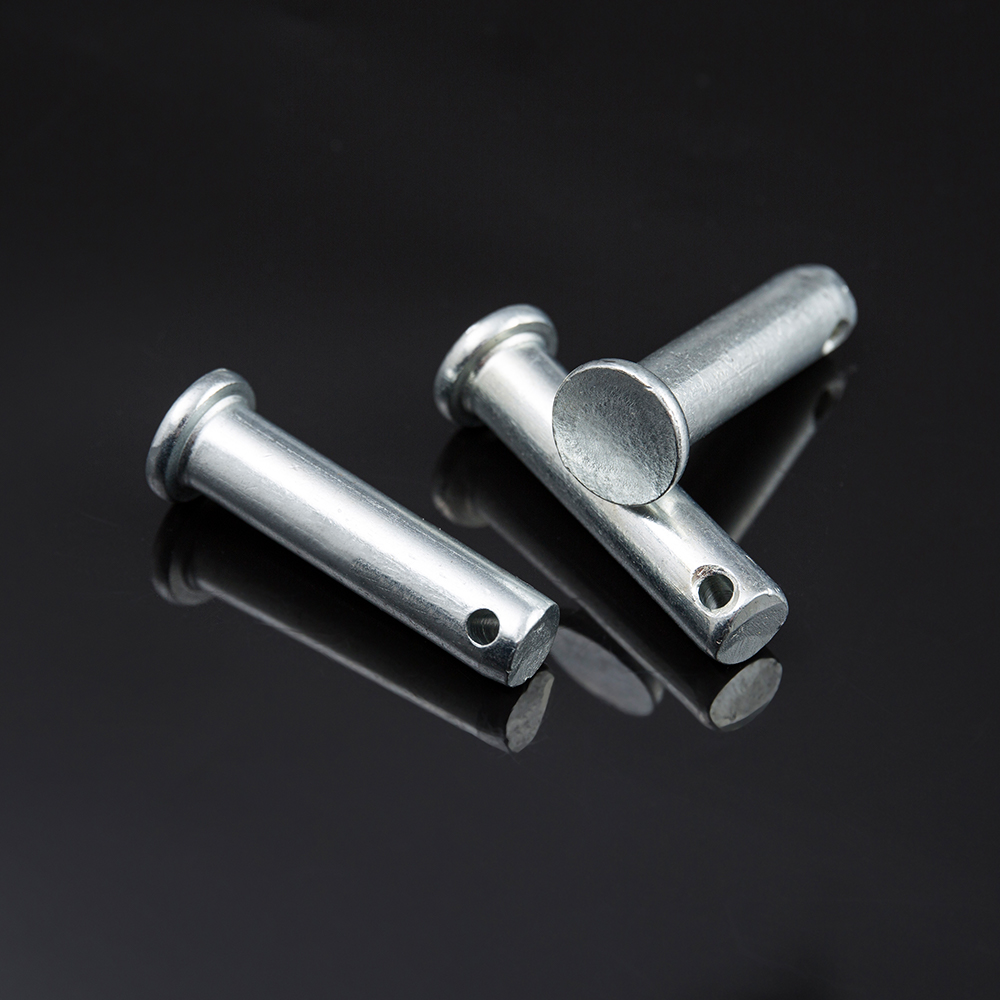
De ghnáth is éard atá i bioráin clevis ná seafta sorcóireach agus alt ceann a chuireann cosc ar an bioráin dul go hiomlán trí na comhpháirteanna ceangailte. Le linn na suiteála, cuirtear an bioráin isteach trí phoill mheaitseála agus daingnithe le heilimint coinneála. Ceadaíonn an nasc gluaiseacht rialaithe agus cosc a chur ar scaradh nach dteastaíonn. Murab ionann agus dúntóirí buana, déantar bioráin clevis a dhearadh le haghaidh cóimeála agus díchóimeála arís agus arís eile, rud a fhágann go bhfuil siad oiriúnach do chórais mheicniúla a dteastaíonn cothabháil rialta orthu.
Tá prionsabal oibre na bioráin clevis bunaithe ar aistriú ualaigh agus gluaiseacht rothlach. Nuair a chuirtear fórsa i bhfeidhm ar chóras nasctha, dáileann an bioráin clevis an t-ualach idir na comhpháirteanna ceangailte agus ceadaíonn sé an raon tairiscint riachtanach. Laghdaíonn an dearadh frithchuimilt idir páirteanna gluaiseachta agus soláthraíonn sé nasc cobhsaí faoi choinníollacha oibre dinimiciúla. Mar gheall ar an meascán de struchtúr simplí agus suiteáil solúbtha úsáidtear bioráin clevis go forleathan in iarratais naisc mheicniúla.
- Ceangail comhpháirteanna meicniúla inbhainte gan táthú nó ceanglóir buan.
- Feidhmeanna maighdeog a sholáthar do chórais nasctha gluaiseachta.
- Ceadaigh iniúchadh agus athsholáthar áisiúil le linn cothabhála trealaimh.
- Tacú le riachtanais chomhshaoil éagsúla trí roghnúcháin ábhar éagsúla.
Pionnaí Caighdeánacha Clevis le haghaidh Feidhmchláir Ghinearálta um Nascáil Mheicniúil
Pionnaí Clevis Caighdeánach comhpháirteanna cheangail a úsáidtear go coitianta le haghaidh naisc mheicniúla ghinearálta nuair is gá feidhmíocht iontaofa agus suiteáil éasca. Déantar iad a mhonarú le toisí caighdeánaithe chun struchtúir choiteanna nasctha a fheistiú agus is minic a chomhcheanglaítear iad le bioráin chugall nó le fáinní coinneála chun iad a shuíomh slán. Soláthraíonn na bioráin seo cothromaíocht phraiticiúil idir neart, solúbthacht, agus áisiúlacht cothabhála.
In innealra talmhaíochta, trealamh tógála, agus meicníochtaí tionsclaíocha, úsáidtear bioráin clevis caighdeánach go minic chun airm rialaithe, lúibíní, agus tionóil ghluaiste a nascadh. Ligeann a struchtúr inbhainte d'oibreoirí comhpháirteanna caite a athsholáthar go tapa agus aga neamhfhónaimh trealaimh a laghdú. I gcomparáid le modhanna buancheangail, cuireann bioráin clevis caighdeánach inseirbhíse níos fearr ar fáil mar is féidir an nasc a oscailt gan oibríochtaí gearrtha nó meaisínithe speisialaithe.
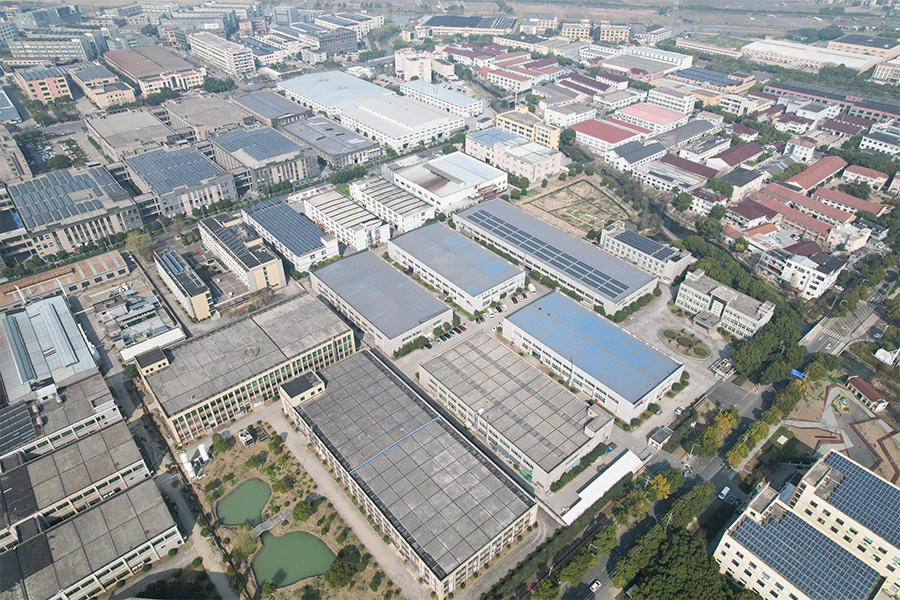
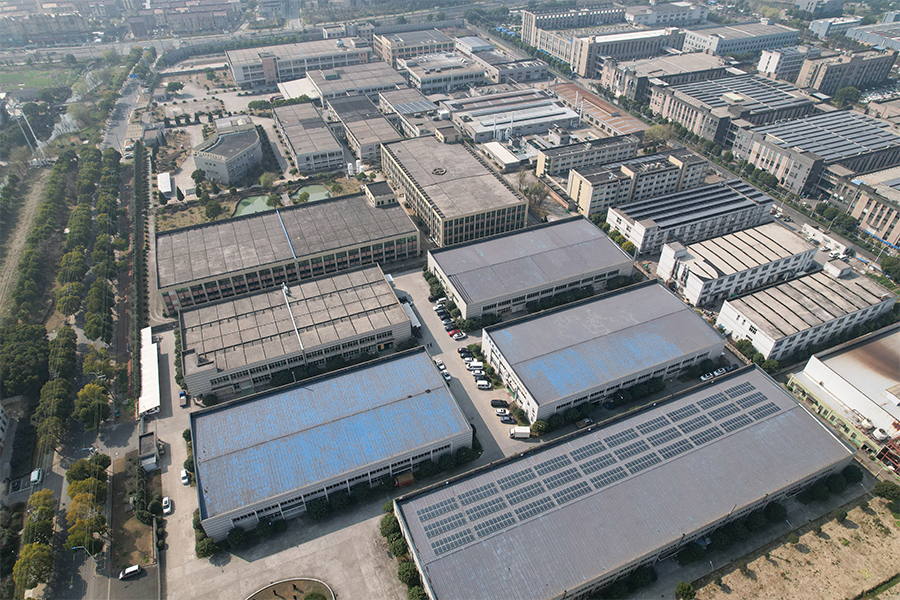
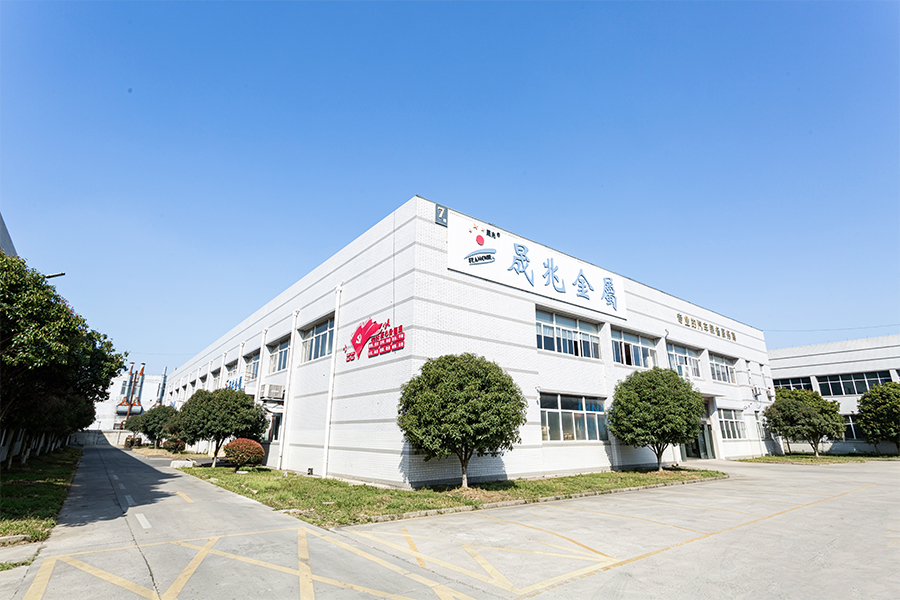
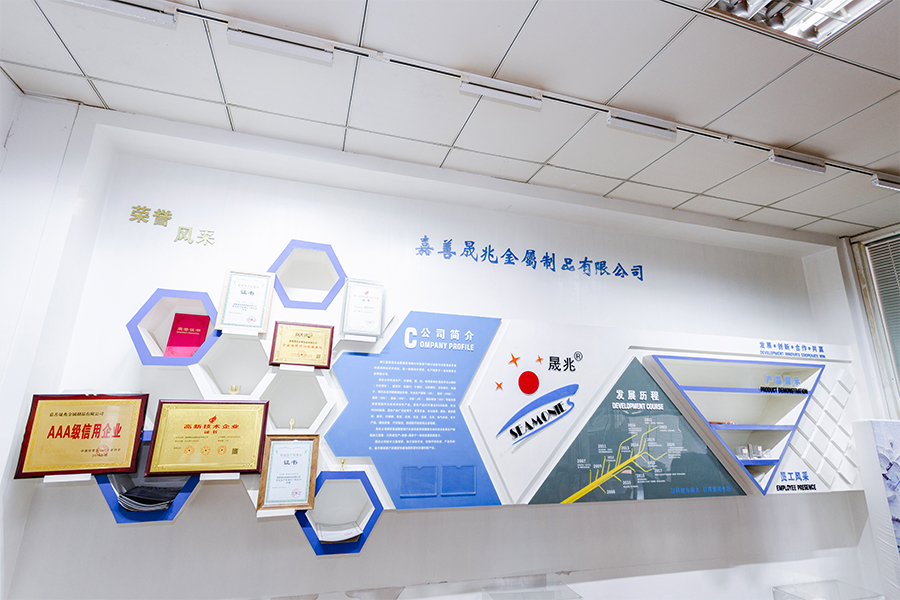
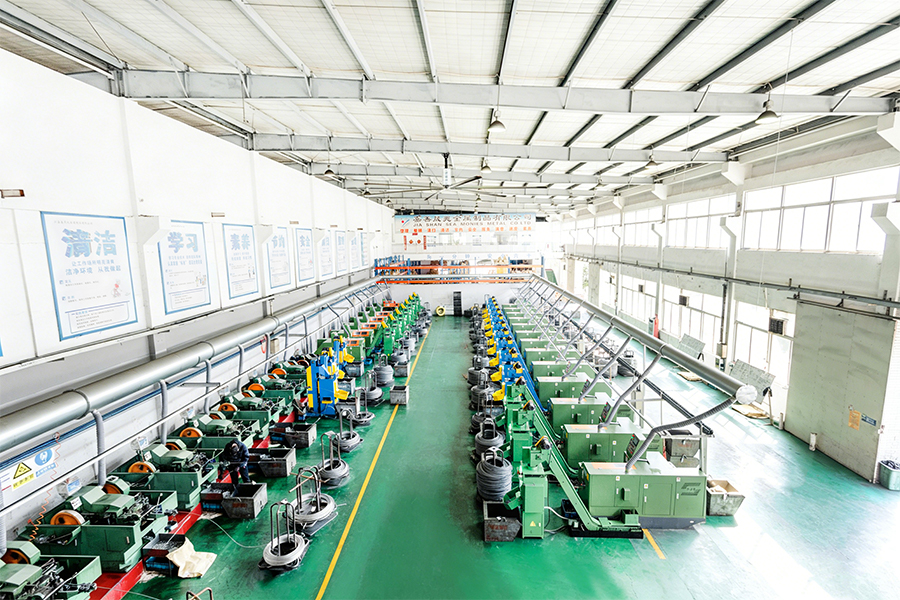
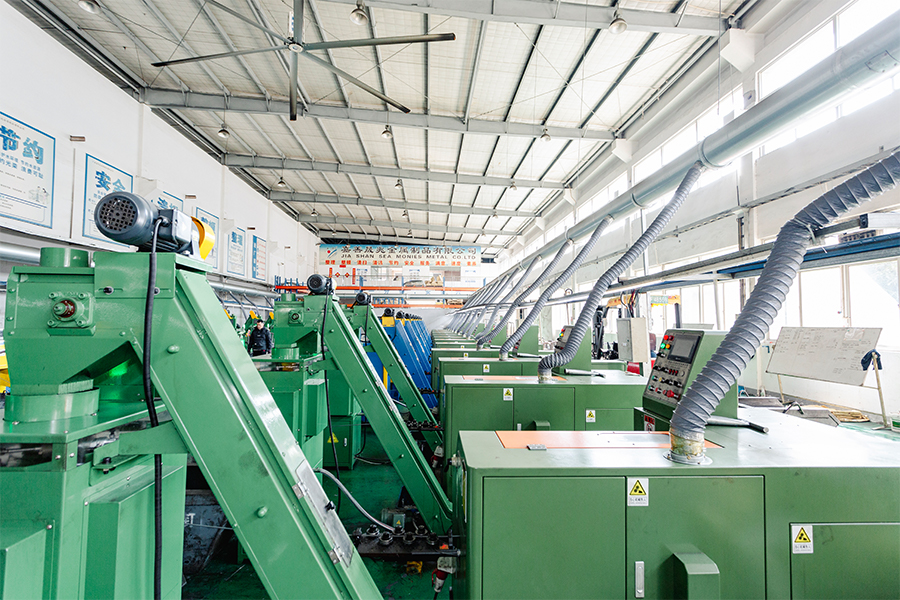
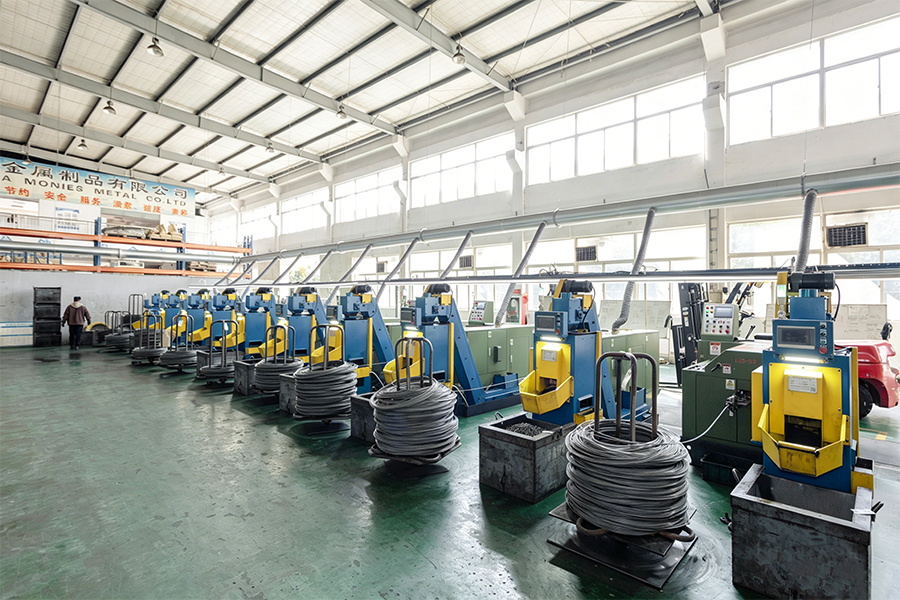
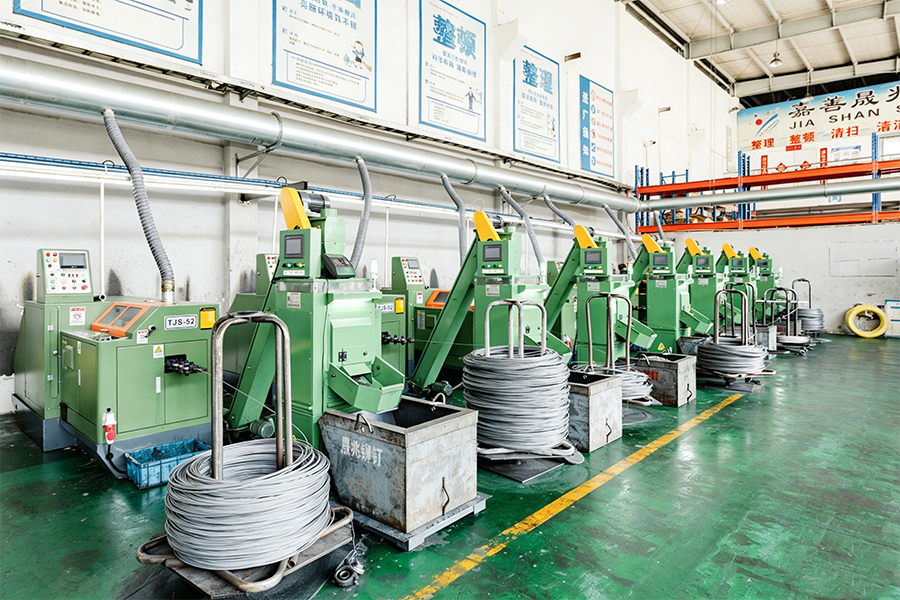
Éilíonn táirgeadh bioráin clevis caighdeánach iontaofa meaisínithe cruinn, rialú ábhar cobhsaí, agus bainistíocht dian caoinfhulaingt. Díríonn Zhejiang Chance & Union Iompórtáil agus Easpórtáil Co, Ltd (Chance & Union) ar chomhpháirteanna miotail beachtais trí acmhainní déantúsaíochta chun cinn a chomhcheangal le taithí ceanglóir fadtéarmach. Soláthraíonn an chuideachta páirteanna ceangail éagsúla a tháirgtear trí cheannteideal fuar, brionnú te, agus próisis meaisínithe CNC, ag tacú le custaiméirí le caighdeán comhsheasmhach d'iarratais tionsclaíocha.
Do chustaiméirí a dteastaíonn toisí saincheaptha thar na sonraíochtaí caighdeánacha uathu, Pionnaí Clevis Caighdeánach agus is féidir réitigh bioráin clevis saincheaptha gaolmhara a mhonarú de réir líníochtaí, ceanglais lamháltais, agus caighdeáin ábhartha. Cuidíonn an tsolúbthacht seo le dearthóirí meicniúla struchtúir nasc a oiriúnú do choinníollacha trealaimh éagsúla.
Pionnaí Clevis Ceann Maol le haghaidh Suíomh Slán agus Éifeachtúlacht Suiteála
Pionnaí Clevis Ceann Maol tá dearadh ceann níos leithne agus níos réidhe acu i gcomparáid le gnáthstruchtúir bioráin. Feabhsaíonn an dromchla ceann méadaithe cobhsaíocht teagmhála agus cuidíonn sé leis an bioráin a chosc ó bogadh tríd an gcomhpháirt nasctha. Tá an dearadh seo úsáideach go háirithe in iarratais ina mbíonn tionchar ag teorainneacha spáis, treo suiteála, nó riachtanais teagmhála dromchla ar roghnú ceanglóir.
Cuirtear dearaí ceann comhréidh i bhfeidhm go coitianta i naisc mheicniúla, tionóil feithiclí, innealra tionsclaíoch, agus trealamh a dteastaíonn coigeartú minic orthu. Soláthraíonn an ceann árasán dromchla imthacaí níos mó, rud a chabhraíonn le brú teagmhála a dháileadh agus a fheabhsaíonn iontaofacht naisc. Déanann na tréithe seo bioráin clevis ceann comhréidh oiriúnach d'iarratais ina bhféadfadh creathadh, gluaiseacht arís agus arís eile, nó rochtain theoranta suiteála difear a dhéanamh ar fheidhmíocht cheangail.
I gcomparáid le struchtúir ceann cruinne traidisiúnta, tá buntáistí ag baint le bioráin ceann comhréidh maidir le háisiúlacht suite agus cóimeála. Is féidir leo cur isteach ar na comhpháirteanna máguaird a laghdú agus próifíl suiteála níos dlúithe a sholáthar. Nuair a chuirtear le chéile iad le heilimintí glasála oiriúnacha, cruthaíonn siad nasc cobhsaí a thacaíonn le gluaiseacht rothlach agus coinneáil slán.
- Roghnaigh an trastomhas bioráin ceart agus fad de réir na gceanglas dearaidh nascála.
- Ailínigh na poill cheangail go cruinn sula gcuirtear an bioráin clevis isteach.
- Suiteáil an chomhpháirt coinneála chun gluaiseacht thimpiste a chosc le linn oibriú.
- Déan iniúchadh rialta ar an nasc chun feidhmíocht mheicniúil leanúnach a chinntiú.
Cruach Dhosmálta 304 316 Pionnaí Clevis le haghaidh Timpeallachtaí atá Frithsheasmhach in aghaidh Creimeadh
Cruach Dhosmálta 304 316 Pionnaí Clevis atá deartha le haghaidh iarratas a éilíonn friotaíocht creimeadh feabhsaithe agus marthanacht fadtéarmach. Soláthraíonn ábhair chruach dhosmálta cosaint níos fearr i gcoinne taise, ocsaídiúcháin, agus coinníollacha comhshaoil dian i gcomparáid le roghanna caighdeánacha cruach carbóin. Déanann na hairíonna seo iad oiriúnach do threalamh mara, innealra lasmuigh, trealamh próiseála bia, agus timpeallachtaí eile ina bhfuil cobhsaíocht ábhartha tábhachtach.
Coinníonn bioráin clevis cruach dhosmálta an bunphrionsabal oibre céanna le dearaí bioráin clevis eile agus iad ag tairiscint friotaíocht feabhsaithe comhshaoil. Tacaíonn siad le gluaiseacht meicniúil, cóimeáil inscortha, agus aistriú ualaigh iontaofa agus laghdaítear an baol teipeanna a bhaineann le creimeadh. Braitheann an roghnú idir gráid éagsúla cruach dhosmálta ar riachtanais iarratais, coinníollacha nochta, agus saol seirbhíse ionchais.
Déanann Chance & Union speisialtóireacht i ndéantúsaíocht agus soláthar dúntóirí miotail bheachtais ag baint úsáide as cruach dhosmálta, cruach cóimhiotail, cóimhiotal alúmanaim, copar, tíotáiniam, cruach déphléacsacha, agus cóimhiotail speisialta eile. Le cumas láidir T&F agus táirgthe, soláthraíonn Zhejiang Chance & Union Import and Export Co., Ltd réitigh cheangail saincheaptha do thionscail lena n-áirítear aeraspáis, feithiclí leictreacha, trealamh leighis, agus innealra tionsclaíoch.
| Catagóir Táirge | Príomhghnéithe | Feidhmchláir tipiciúla | Buntáistí Buntábhachtacha |
| Pionnaí Clevis Caighdeánach | Struchtúr bioráin sorcóireach ginearálta le suiteáil inscortha | Meaisíní talmhaíochta, trealamh tionsclaíoch, naisc mheicniúla | Cothabháil éasca agus comhoiriúnacht leathan |
| Pionnaí Clevis Ceann Maol | Ceann cothrom méadaithe le haghaidh suíomh feabhsaithe | Comhthionóil dhlúth agus meicníochtaí gluaiseachta | Cobhsaíocht níos fearr agus áisiúlacht suiteála |
| Cruach Dhosmálta 304 316 Pionnaí Clevis | Tógáil cruach dhosmálta creimeadh-resistant | Timpeallachtaí mara, lasmuigh agus éilitheacha | Saol seirbhíse fada agus marthanacht comhshaoil |
Cumais Saincheaptha agus Rialú Cáilíochta do Tháirgeadh Clevis Pin
Is minic a éilíonn córais mheicniúla nua-aimseartha comhpháirteanna le toisí, ábhair nó riachtanais dromchla ar leith. Ní fhéadfaidh táirgí caighdeánaithe feidhmchláir speisialta a shásamh i gcónaí a bhaineann le cruthanna neamhghnácha, grooves speisialta, struchtúir ultra-fhada, nó ceanglais lamháltais dhian. Soláthraíonn monaróirí bioráin clevis gairmiúla seirbhísí saincheaptha chun tacú leis na dúshláin innealtóireachta seo.
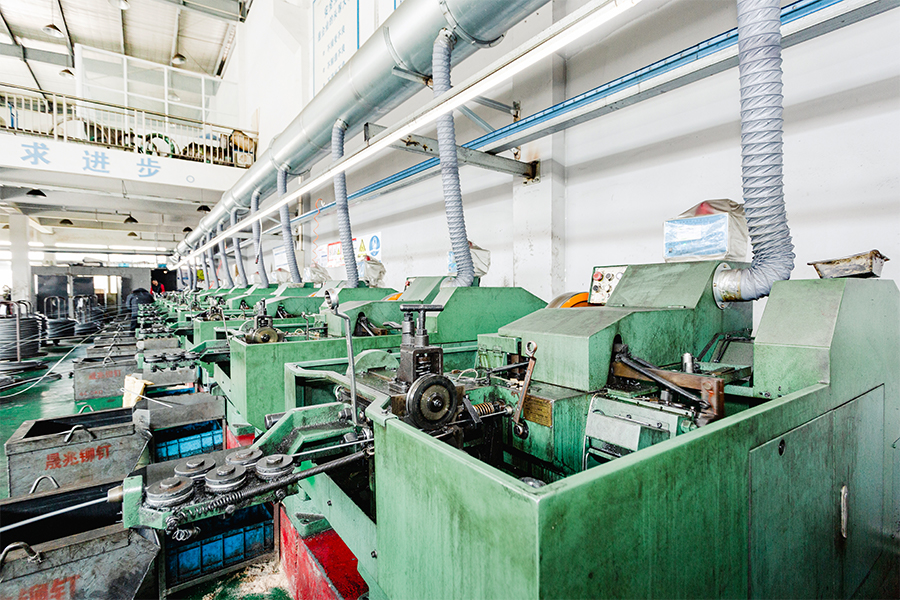
Forbraíonn Chance & Union comhpháirteanna beachtais de réir líníochtaí custaiméirí, sonraíochtaí teicniúla, agus riachtanais táirgthe. Cuireann an chuideachta teicneolaíocht uath-cheannteidil agus próisis mheaisínithe i bhfeidhm chun cáilíocht chomhsheasmhach a bhaint amach le linn olltáirgeadh. Clúdaíonn a chumais déantúsaíochta seamanna ard-neart, boltaí, cnónna, leicneáin, bioráin, scriúnna, agus páirteanna saincheaptha neamhchaighdeánacha éagsúla.
Cruach Dhosmálta 304 316 Pionnaí Clevis agus is féidir táirgí bioráin saincheaptha eile a tháirgeadh le toisí rialaithe, ábhair oiriúnacha, agus tacaíocht theicniúil ghairmiúil. Trí chórais inrianaitheachta táirgí, taifid cháilíochta, agus tacaíocht seirbhíse saolré, cuidíonn Chance & Union le custaiméirí feidhmíocht chobhsaí a choinneáil ó mhonarú go dtí an t-iarratas deiridh.
Mar a Fheabhsaíonn Bioráin Clevis Feidhmíocht Nascála Meicniúla
Braitheann naisc mheicniúla ar ghluaiseacht chruinn, naisc chobhsaí, agus cothabháil áisiúil. Cuireann bioráin Clevis leis na ceanglais seo trí chothromaíocht a sholáthar idir neart agus solúbthacht. Ligeann a ndearadh inbhainte do mhonaróirí trealaimh córais a chruthú atá níos éasca le chéile agus a chothabháil agus ag laghdú castacht athsholáthair.
Freastalaíonn catagóirí éagsúla bioráin clevis ar riachtanais éagsúla innealtóireachta. Tá dearaí caighdeánacha oiriúnach d'iarratais choitianta, feabhsaíonn dearaí ceann árasán cobhsaíocht suiteála, agus soláthraíonn leaganacha cruach dhosmálta friotaíocht feabhsaithe i dtimpeallachtaí dúshlánacha. Cinntíonn roghnú an chineáil cheart gur féidir leis an gcóras nasctha oibriú iontaofa a bhaint amach ar feadh a thréimhse seirbhíse.
Ceisteanna Coitianta
C1: Cad é príomhfheidhm bioráin clevis i gcórais naisc mheicniúla?
Ceanglaíonn bioráin clevis comhpháirteanna meicniúla agus é ag ligean rothlú nó gluaiseacht rialaithe. Soláthraíonn sé nasc inscortha ar féidir é a shuiteáil, a bhaint agus a chothabháil go héasca.
C2: Cad iad na difríochtaí idir Pionnaí Clevis Caighdeánacha agus Pionnaí Clevis Flat Head?
Tá Pionnaí Clevis Caighdeánacha deartha le haghaidh naisc mheicniúla ghinearálta, agus soláthraíonn Pionnaí Clevis Flat Head dromchla teagmhála níos leithne le haghaidh suíomh feabhsaithe agus cobhsaíocht suiteála i tionóil ar leith.
C3: Cathain ba chóir Cruach Dhosmálta 304 316 Clevis Pins a roghnú?
Moltar bioráin clevis cruach dhosmálta d'iarratais atá faoi lé taise, rioscaí creimeadh, nó coinníollacha comhshaoil éilitheacha ina bhfuil gá le marthanacht fadtéarmach.
C4: An féidir le Chance & Union réitigh bioráin clevis saincheaptha a sholáthar?
Tá. Soláthraíonn Zhejiang Chance & Union Iompórtáil agus Easpórtáil Co, Ltd déantúsaíocht ceanglóir saincheaptha bunaithe ar líníochtaí custaiméirí, ceanglais ábhartha, caighdeáin lamháltais, agus coinníollacha iarratais.
C5: Conas a chinntíonn monaróirí cáilíocht bioráin clevis?
Coinnítear cáilíocht trí roghnú ábhar rialaithe, meaisínithe beachtas, próisis táirgeachta uathoibrithe, nósanna imeachta iniúchta, agus córais inrianaitheachta chun feidhmíocht chomhsheasmhach a chinntiú.





