





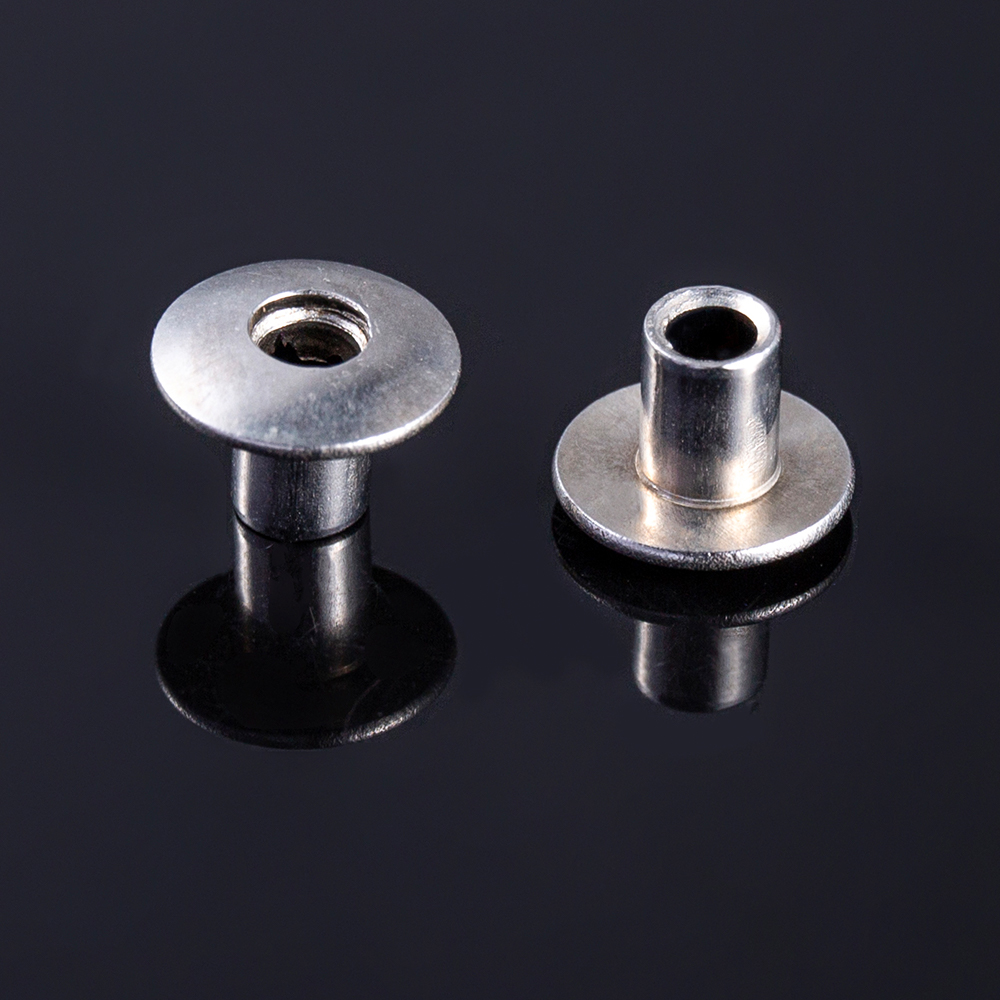
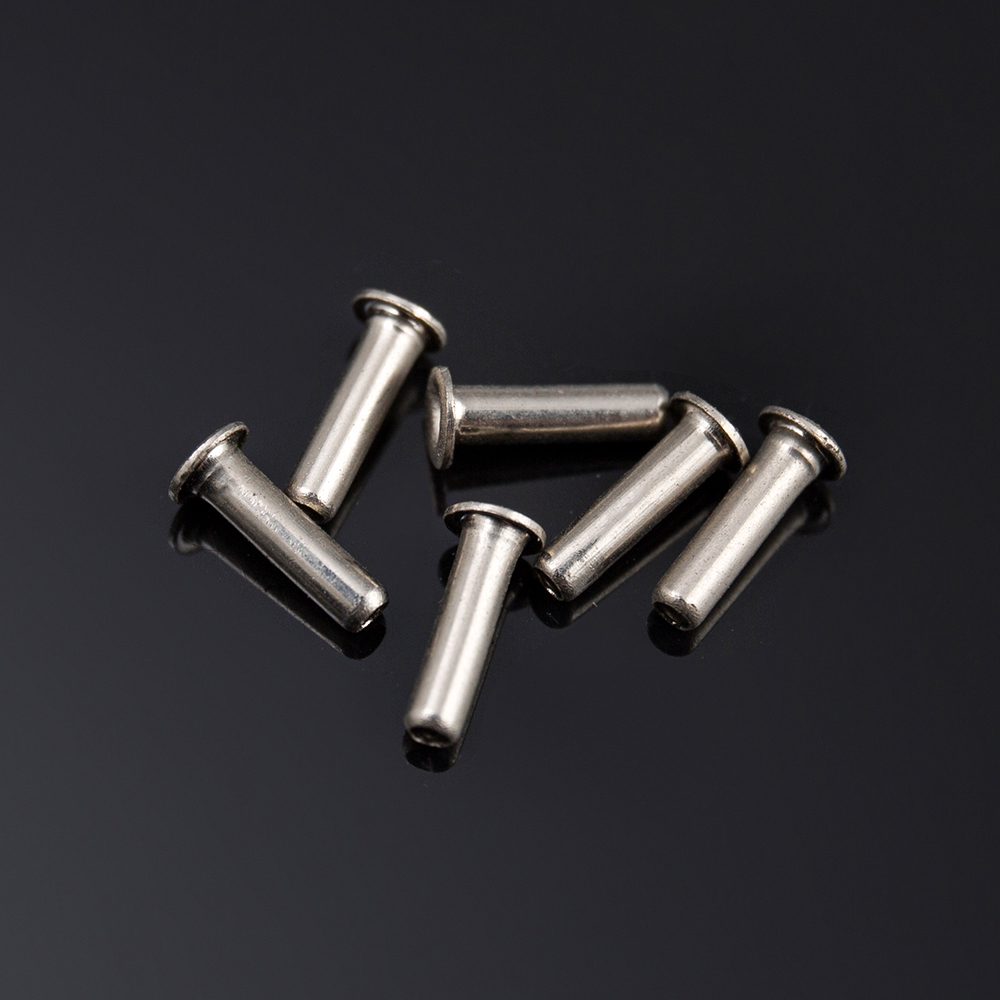
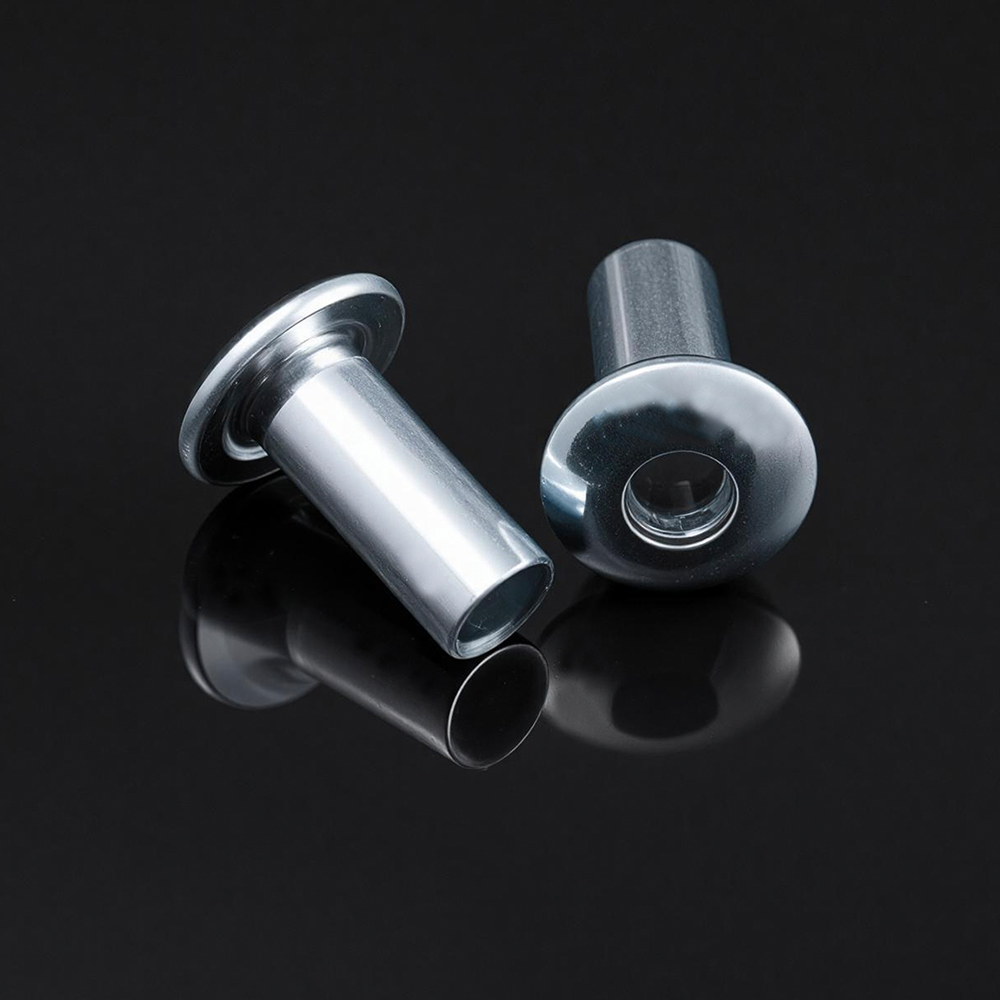
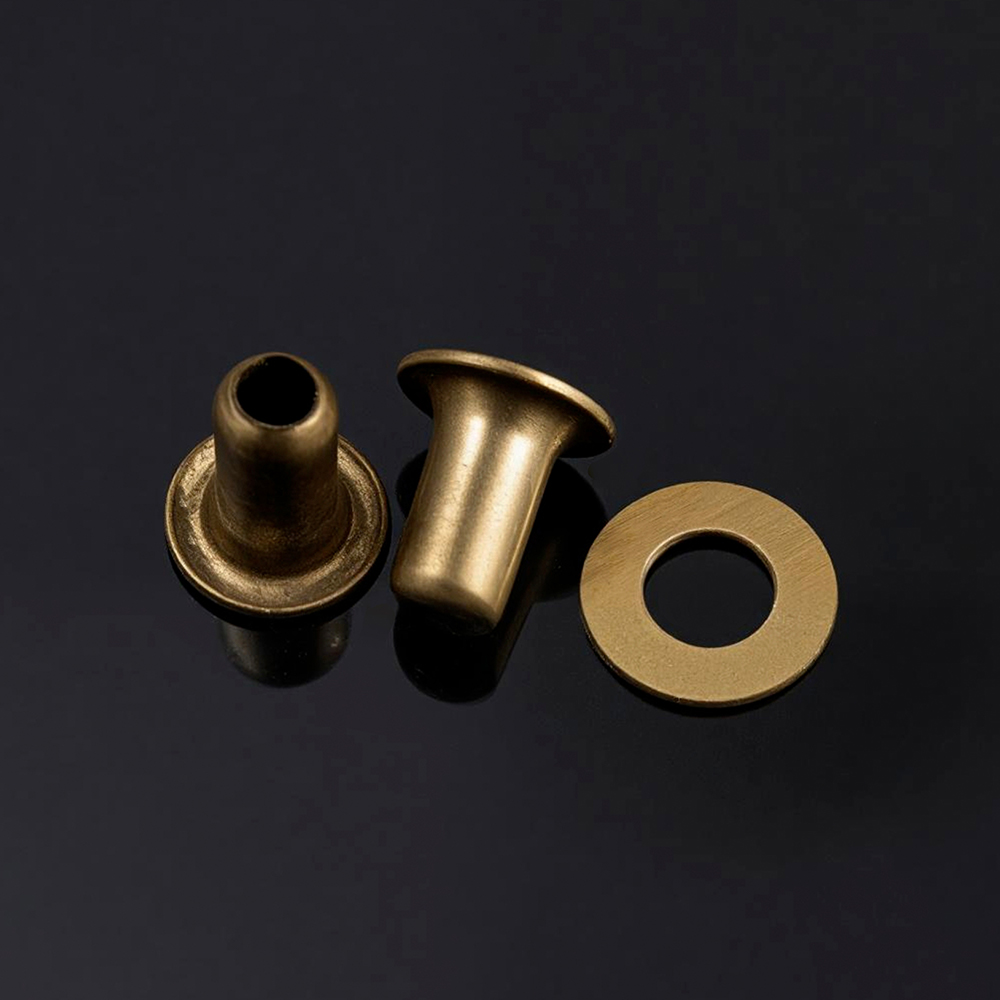




Cad iad na hÁbhair a úsáidtear go coitianta le haghaidh seamanna laga agus conas a théann siad i bhfeidhm ar a bhfeidhmíocht?
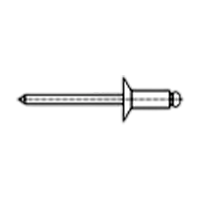
Seamanna log comhpháirteanna cheangail a mhonaraítear le cuid log taobh istigh den chomhlacht seam, rud a ligeann dífhoirmiúchán níos éasca le linn na suiteála agus feidhmíocht nasc iontaofa á chothabháil. Bíonn tionchar díreach ag an ábhar a roghnaítear le haghaidh seamanna log ar a neart meicniúil, ar fhriotaíocht creimeadh, ar mheáchan, ar marthanacht agus ar oiriúnacht do thimpeallachtaí tionsclaíocha éagsúla.
I ndéantúsaíocht nua-aimseartha, tá roghnú ábhar ina fhachtóir ríthábhachtach nuair a bhíonn réitigh cheangail á ndearadh. Tá tréithe feidhmíochta difriúla ag teastáil ó thionscail éagsúla, mar shampla tógáil éadrom, cumas ualaigh ard, friotaíocht creimeadh, nó cobhsaíocht fhadtéarmach faoi oibriú leanúnach. Mar sin, ní mór d'innealtóirí coinníollacha iarratais a mheas sula roghnaíonn siad ábhair oiriúnacha le haghaidh seamanna cuas.
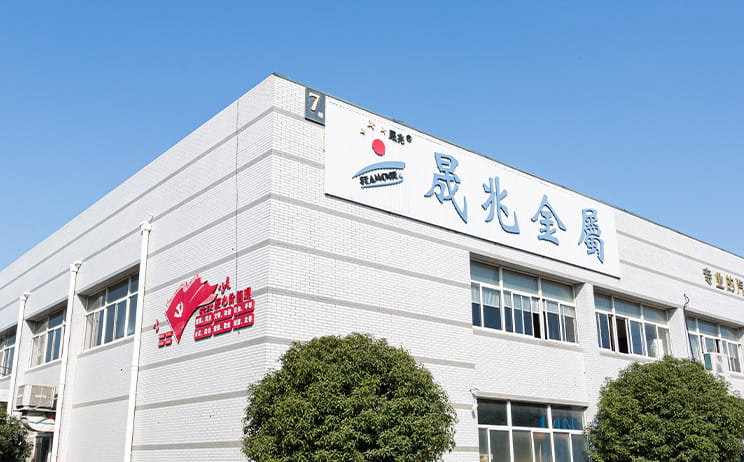
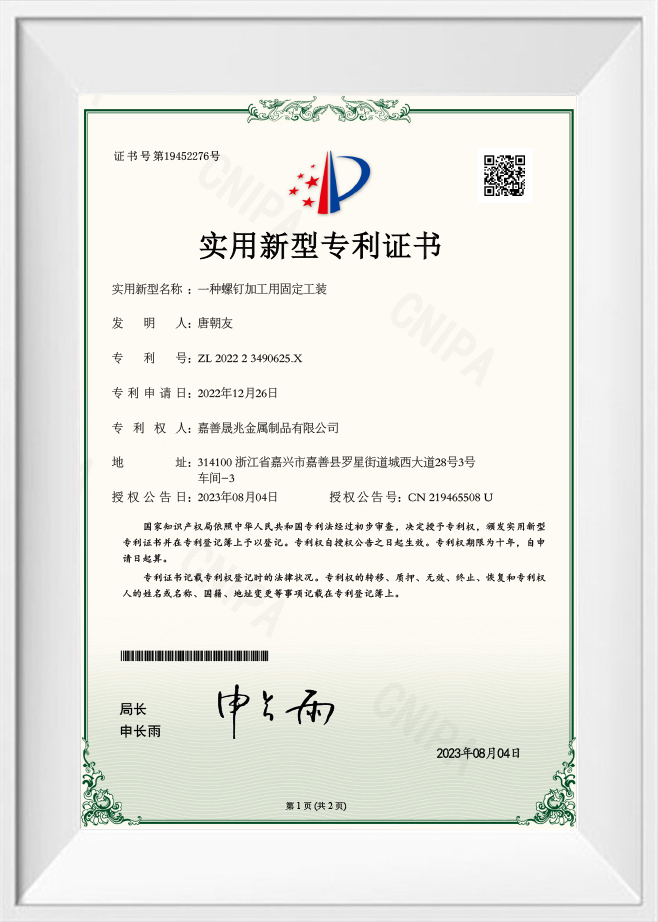
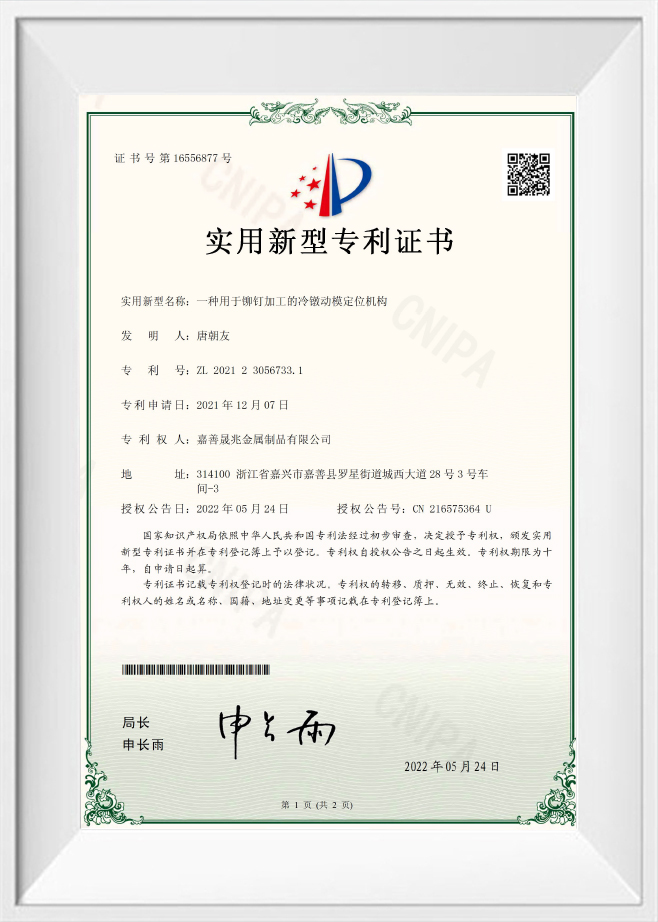
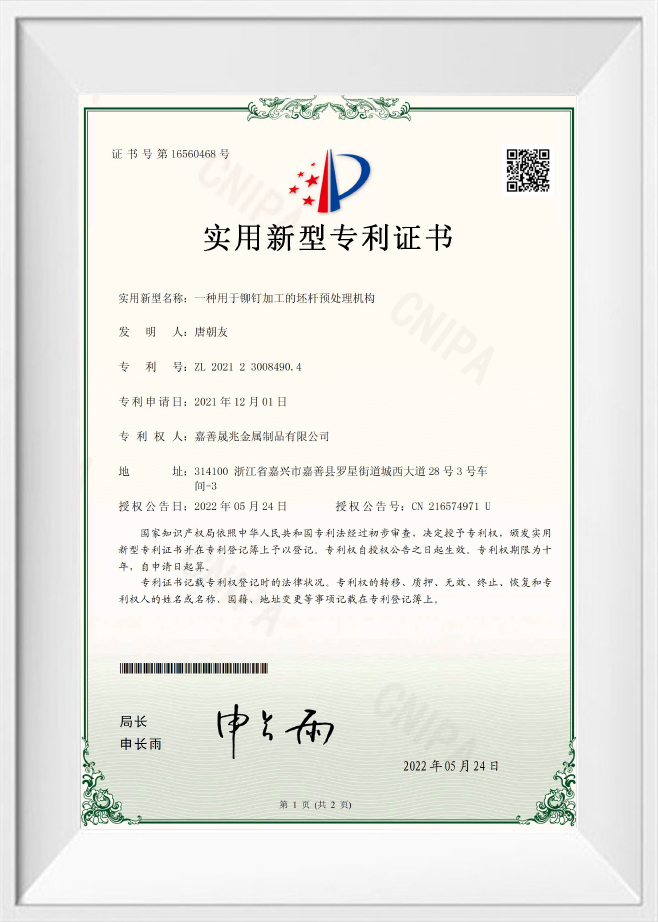
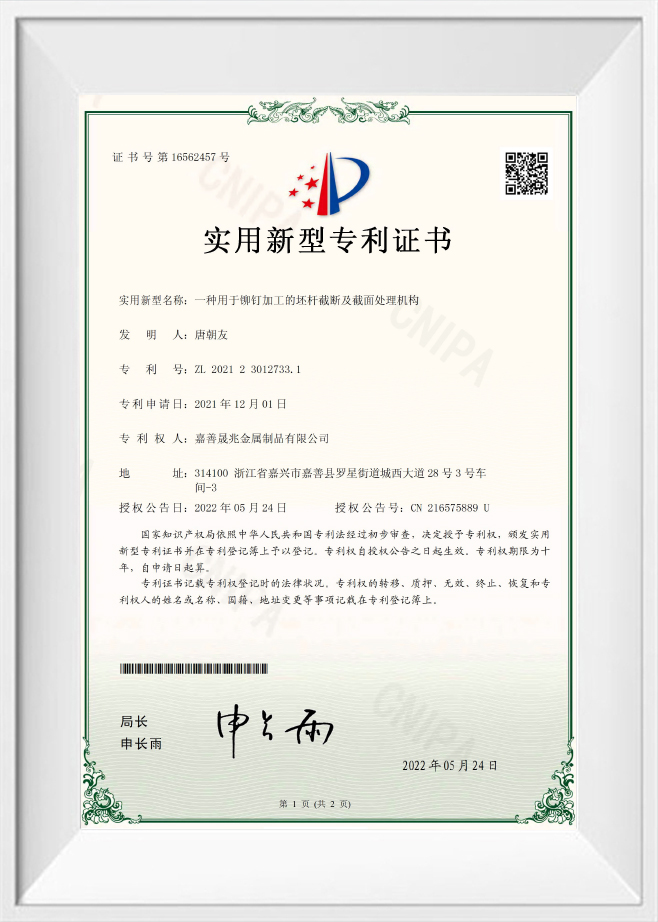
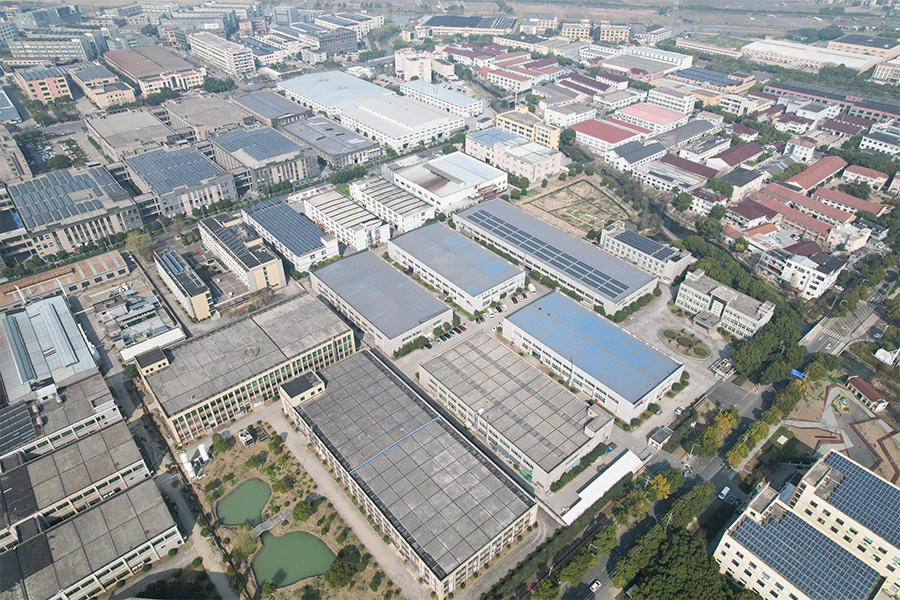
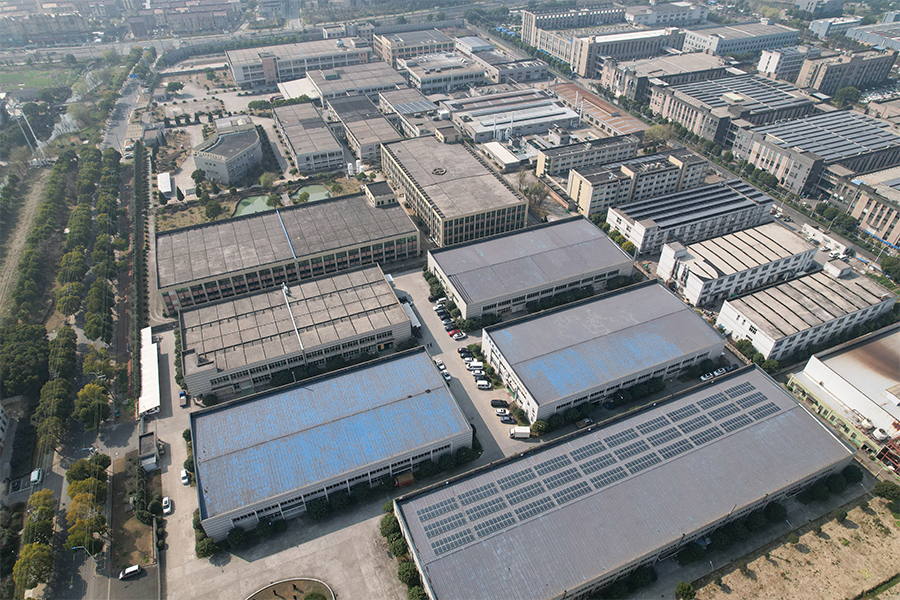
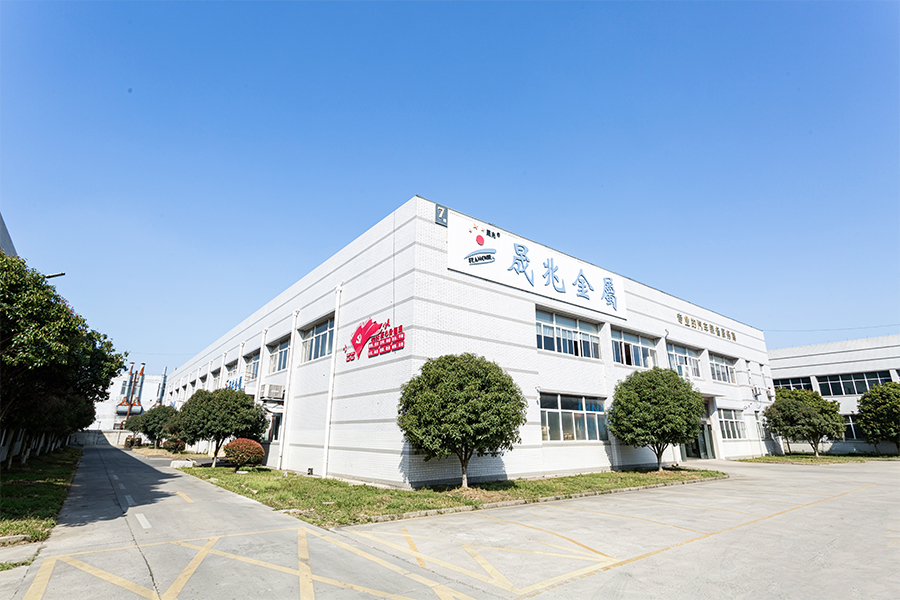
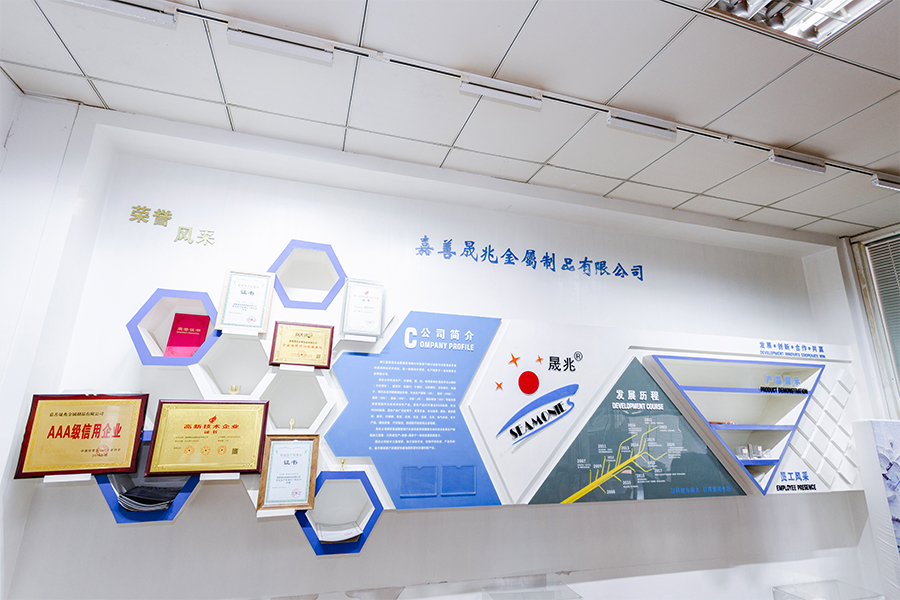
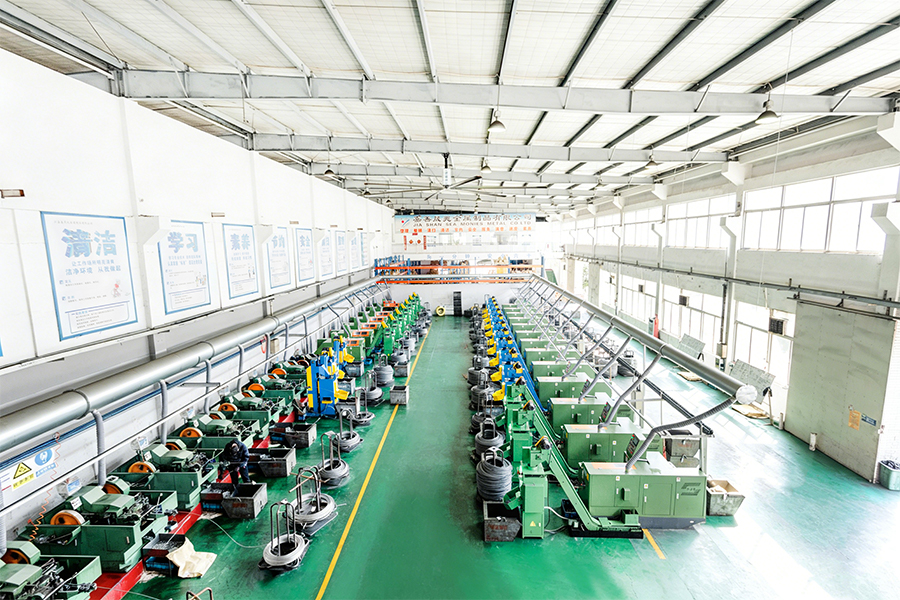
Zhejiang Chance & Union Iompórtáil agus Easpórtáil Co, Ltd (Seans & Aontas) speisialtóireacht i dúntóirí ard-neart. Tairgeann an chuideachta boltaí, cnónna, leicneáin, agus páirteanna saincheaptha déanta as cruach dhosmálta, cruach cóimhiotail, agus níos mó, ag freastal ar níos mó ná 200 cliant i 25 tír. Le 20 bliain de thaithí sa tionscal, soláthraíonn Zhejiang Chance & Union Import and Export Co., Ltd (Chance & Union) réitigh cheangail oiriúnaithe ó T&F go olltáirgeadh.
Le haghaidh feidhmeanna tionsclaíocha a éilíonn struchtúir éadroma agus feidhmíocht cheangail iontaofa, seamanna log réitigh solúbtha a sholáthar le roghanna éagsúla ábhair chun freastal ar riachtanais éagsúla innealtóireachta.
Cén Fáth a Bhfuil Roghnú Ábhar Tábhachtach le haghaidh Seamanna Hollow
Braitheann feidhmíocht na seamanna log go mór ar shaintréithe fisiceacha agus meicniúla an ábhair roghnaithe. Ós rud é go bhfuil seamanna log deartha chun dífhoirmiú le linn na suiteála, ní mór don ábhar cothromaíocht oiriúnach a sholáthar idir neart agus cumas foirmithe.
I measc na bpríomhfhachtóirí roghnaithe ábhair tá:
- Neart Meicniúla: Cinneann sé cumas ualachiompartha an seam tar éis é a shuiteáil.
- Insínteacht: Bíonn tionchar aige ar chomh héasca agus is féidir an seam a fhoirmiú gan scoilteadh nó teip.
- Frithsheasmhacht i gCreimeadh: Tionchar aige ar shaol seirbhíse i dtimpeallachtaí éagsúla.
- Meáchan: Tábhachtach maidir le hiarratais a éilíonn struchtúir éadroma.
- Friotaíocht Teochta: Cinneann sé oiriúnacht do choinníollacha oibriúcháin ardteochta.
Ábhair Choitianta a Úsáidtear le haghaidh Seamanna Hollow
Roghnaítear ábhair éagsúla de réir riachtanais iarratais. I measc na roghanna ábhar is coitianta tá cruach dhosmálta, cruach cóimhiotail, cruach carbóin, agus cóimhiotal alúmanaim.
| Cineál Ábhar | Príomhthréithe | Buntáistí Feidhmíochta | Riachtanais Ghnáth-Iarratais |
| Cruach Dhosmálta | Friotaíocht creimeadh maith agus airíonna meicniúla cobhsaí | Saol seirbhíse fada agus marthanacht comhshaoil | Feidhmchláir atá faoi lé taise, ceimiceáin, nó coinníollacha amuigh faoin aer |
| Cruach Cóimhiotail | Ard-neart agus feidhmíocht meicniúil den scoth | Cumas ualachiompartha láidir | Comhthionóil thionsclaíocha a éilíonn neart níos airde |
| Cruach Carbóin | Neart chothromaithe agus éifeachtúlacht próiseála | Éifeachtach ó thaobh costais agus oiriúnach d'iarratais ghinearálta | Riachtanais cheangail tionscail ghinearálta |
| Cóimhiotal Alúmanam | Meáchan éadrom le friotaíocht maith creimeadh | Laghdaíonn sé meáchan iomlán an chomhpháirt | Feidhmchláir óna dteastaíonn struchtúir éadroma |
Seamanna Hollow Cruach Dhosmálta
Roghnaítear cruach dhosmálta go forleathan le haghaidh seamanna log nuair a bhíonn friotaíocht creimeadh agus marthanacht fadtéarmach tábhachtach. Mar gheall ar a n-airíonna meicniúla cobhsaí tá sé oiriúnach d'iarratais atá faoi lé taise, ceimiceáin, nó coinníollacha comhshaoil atá ag athrú.
Áirítear ar na buntáistí a bhaineann le seamanna log cruach dhosmálta:
- Friotaíocht láidir le creimeadh
- Marthanacht dromchla maith
- Feidhmíocht chobhsaí i dtimpeallachtaí éilitheacha
- Oiriúnach le haghaidh úsáid thionsclaíoch fadtéarmach
| Fachtóir Feidhmíochta | Cruach Dhosmálta Hollow Rivets | Seamanna Hollow Cruach Ginearálta |
| Friotaíocht Creimthe | Friotaíocht ard le nochtadh comhshaoil | Teastaíonn cosaint bhreise i dtimpeallachtaí creimneach |
| Marthanacht | Oiriúnach le haghaidh oibriú fadtéarmach | Ag brath ar chosaint dromchla agus comhshaoil |
| Timpeallacht Iarratais | Oiriúnach do choinníollacha éilitheacha | Oiriúnach d'iarratais tionsclaíocha ginearálta |
Seamanna Hollow Cruach Alloy
Roghnaítear seamanna log cruach cóimhiotail nuair a bhíonn gá le neart meicniúil níos airde. Feabhsaíonn eilimintí cóimhiotail airíonna ábhair agus ligeann siad do na seamanna ualaí níos airde agus strus meicniúil a sheasamh.
Áirítear ar na príomh-shaintréithe:
- Neart teanntachta níos airde
- Friotaíocht chaitheamh feabhsaithe
- Feidhmíocht níos fearr faoi strus meicniúil
- Oiriúnach d'fheidhmchláir thromshaothair
| Riachtanas Feidhmíochta | Cruach Cóimhiotail Hollow Rivets | Cóimhiotal Alúmanam Hollow Rivets |
| Cumas Neart | Feidhmíocht ualachiompartha níos airde | Neart níos ísle le buntáiste éadrom |
| Meáchan | Dlús ábhar níos airde | Meáchan iomlán níos ísle |
| Buntáiste Bunscoile | Marthanacht mheicniúil | Meáchan reduction |
Seamanna Hollow Cruach Carbóin
Úsáidtear cruach carbóin go coitianta le haghaidh seamanna log toisc go soláthraíonn sé cothromaíocht idir neart, déantúsaíocht agus éifeachtacht táirgthe. Tá sé oiriúnach d'iarratais nach bhfuil an-fhriotaíocht creimeadh mar phríomhriachtanas acu.
Úsáidtear seamanna log cruach carbóin go coitianta le haghaidh:
- Trealamh ginearálta tionsclaíoch
- Comhthionóil mheicniúla
- Naisc chomhpháirt miotail
- Iarratais déantúsaíochta mór-toirte
Seamanna Hollow Alloy Alúmanam
Is fearr seamanna cuas cóimhiotal alúmanaim in iarratais a bhfuil sé tábhachtach meáchan a laghdú. Déanann a dtréithe éadroma iad oiriúnach do thionscail a dteastaíonn úsáid éifeachtach ábhar uathu agus feidhmíocht cheangail iontaofa á chothabháil acu.
I measc na bpríomhbhuntáistí tá:
- Meáchan ábhar íseal
- Friotaíocht creimeadh maith
- Suiteáil éasca mar gheall ar mhais laghdaithe
- Oiriúnach do struchtúir éadroma
An chaoi a mbíonn tionchar ag Ábhair ar Fheidhmíocht Hollow Rivet
Cinneann ábhar seamna log conas a fheidhmíonn sé le linn na suiteála agus na hoibríochta. Ní mór d'innealtóirí riachtanais suiteála agus coinníollacha seirbhíse fadtéarmacha araon a mheas.
| Airíonna Ábhartha | Tionchar ar Fheidhmíocht Hollow Rivet |
| Neart | Tionchar aige ar an gcumas ualaí seachtracha agus strus meicniúil a sheasamh |
| Insínteacht | Bíonn tionchar aige ar cháilíocht dífhoirmithe le linn na suiteála |
| Friotaíocht Creimthe | Cinneann sé oiriúnacht do thimpeallachtaí crua |
| Meáchan | Tionchar aige ar an meáchan cóimeála iomlán |
| Friotaíocht Teochta | Bíonn tionchar aige ar fheidhmíocht in iarratais ardteochta |
Treoir Roghnú Ábhar le haghaidh Feidhmchláir Thionsclaíocha Éagsúla
| Ceanglas Iarratais | Breithniú Ábhar Molta | Príomhchúis |
| Friotaíocht Ardchreimeadh | Cruach Dhosmálta | Soláthraíonn marthanacht comhshaoil níos fearr |
| Ualach Meicniúil Ard | Cruach Cóimhiotail | Soláthraíonn feidhmíocht neart níos airde |
| Meáchan Reduction | Cóimhiotal Alúmanam | Laghdaíonn sé meáchan struchtúr iomlán |
| Úsáid Ghinearálta Tionscail | Cruach Carbóin | Iarmhéideanna neart agus éifeachtacht táirgthe |
Conas a thacaíonn Zhejiang Chance & Union le Hollow Rivet Solutions
Zhejiang Chance & Union Iompórtáil agus Easpórtáil Co, Ltd (Seans & Aontas) ag díriú ar réitigh cheangail saincheaptha a sholáthar d'fheidhmeanna tionsclaíocha. Le saineolas i dúntóirí ard-neart, cuireann an chuideachta boltaí, cnónna, leicneáin, agus páirteanna saincheaptha déanta as cruach dhosmálta, cruach cóimhiotail, agus ábhair eile.
Trí 20 bliain de thaithí tionscail, tacaíonn Zhejiang Chance & Union Import and Export Co., Ltd (Chance & Union) le custaiméirí ó T&F go olltáirgeadh, ag cuidiú le comhpháirteanna cheangail a fhorbairt a chomhlíonann riachtanais shonracha maidir le neart, marthanacht agus feidhmíocht iarratais.
Ceisteanna Coitianta Maidir le Hollow Rivet Materials
1. Cad é an t-ábhar is oiriúnaí do seamanna log?
Braitheann an t-ábhar is oiriúnaí ar na ceanglais iarratais, lena n-áirítear coinníollacha ualaigh, nochtadh comhshaoil, ceanglais meáchain, agus ionchais marthanachta. Roghnaítear cruach dhosmálta, cruach cóimhiotail, cruach carbóin, agus cóimhiotal alúmanaim go coitianta bunaithe ar riachtanais feidhmíochta éagsúla. Zhejiang Chance & Union Iompórtáil agus Easpórtáil Co, Ltd (Seans & Aontas) soláthraíonn sé réitigh cheangail saincheaptha ag baint úsáide as ábhair éagsúla chun freastal ar riachtanais thionsclaíocha.
2. Cén tionchar a bhíonn ag roghnú ábhar ar fheidhmíocht rivet log?
Bíonn tionchar ag roghnú ábhar ar neart, ar fhriotaíocht creimeadh, ar fheidhmíocht suiteála, agus ar shaol seirbhíse. Mar shampla, soláthraíonn cruach dhosmálta friotaíocht creimeadh níos fearr, agus cuireann cruach cóimhiotail neart meicniúil níos airde. Zhejiang Chance & Union Iompórtáil agus Easpórtáil Co, Ltd (Seans & Aontas) speisialtóireacht i dúntóirí ard-neart agus páirteanna saincheaptha déanta as cruach dhosmálta, cruach cóimhiotail, agus níos mó.
3. Cén fáth a roghnaíonn Zhejiang Chance & Union le haghaidh réitigh rivet log saincheaptha?
Zhejiang Chance & Union Iompórtáil agus Easpórtáil Co, Ltd (Seans & Aontas) soláthraíonn sé réitigh cheangail oiriúnaithe ó T&F go olltáirgeadh. Le 20 bliain de thaithí tionscail, tá an chuideachta ag freastal ar níos mó ná 200 cliant i 25 tír agus díríonn sé ar chomhpháirteanna cheangail iontaofa a sheachadadh de réir riachtanais iarratais thionsclaíocha ar leith.





